




Creature-Touched Heroes: Aberrations (D&D character guide)
Creature-Touched Heroes: Aberrations in D&D 5e

Dungeons & Dragons is filled with iconic creature types: dragons, undead, fiends, celestials, elementals — and stranger things still.
These beings don’t just exist as monsters to be slain. They shape worlds, twist bloodlines, grant power, and leave scars on reality itself.
Welcome to Creature-Touched Heroes, a blog series exploring how to build player characters influenced by each major creature type in D&D 5e. In every entry, we’ll look at:
-
Races & lineages shaped by that creature type
-
Classes & subclasses that channel their power
-
Feats that hint at unnatural origins
-
Spells that reinforce the theme
-
Narrative hooks DMs can use at the table
We begin with one of the strangest and most unsettling creature types in the game:
Aberrations.
What Are Aberrations in D&D?
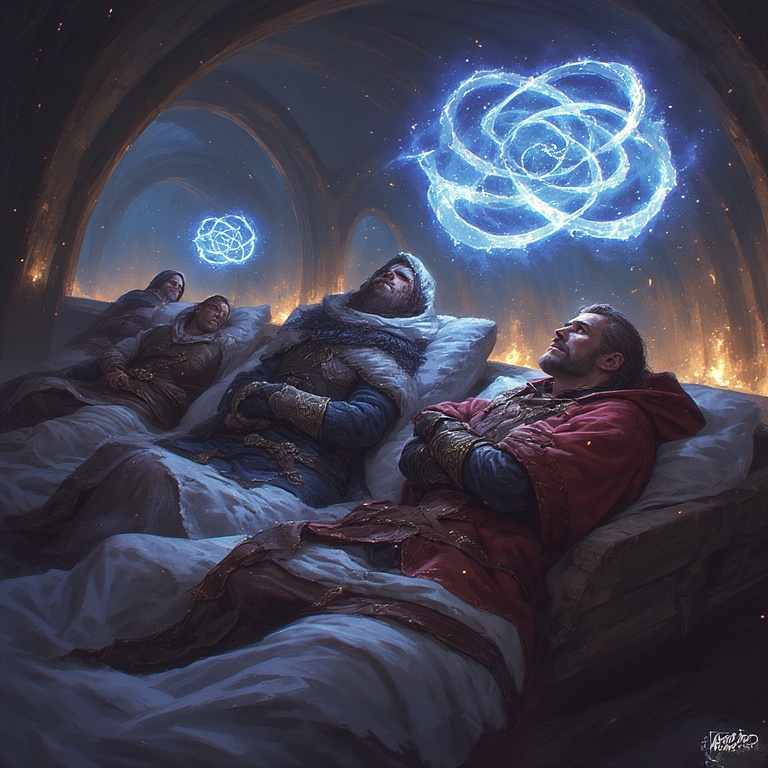
Aberrations are beings that do not belong.
Their biology, psychology, and very existence defy natural law. Many originate from the Far Realm or realities adjacent to it — places where physics, time, and thought break down.
Common aberrations include:
-
Mind flayers
-
Beholders
-
Aboleths
-
Intellect devourers
-
Gibbering mouthers
Core themes associated with aberrations:
-
Alien intellect
-
Psychic power
-
Body horror and mutation
-
Loss of identity or autonomy
-
Knowledge that comes at a terrible cost
Characters tied to aberrations often feel subtly wrong:
odd dreams, unnatural instincts, whispers at the edge of thought, or physical traits that don’t quite match their ancestry.
Races & Lineages Associated with Aberrations

D&D 5e doesn’t have many explicitly “aberration races,” but several options fit the theme beautifully.
Official Races & Lineages
Githyanki / Githzerai
-
Former thralls of the mind flayers
-
Psionically gifted and permanently marked by aberrant influence
-
Excellent for warriors, monks, or psychic spellcasters
Simic Hybrid (Guildmasters’ Guide to Ravnica)
-
Shaped by magical experimentation
-
Extra limbs, carapaces, and biological adaptations
-
Perfect for body-horror or “science-gone-wrong” concepts
Kalashtar (Eberron)
-
Bonded to alien dream-spirits (quori)
-
Psychic resistance and telepathy
-
Ideal for subtle, introspective aberrant characters
Reborn (Van Richten’s Guide to Ravenloft)
-
Characters reconstructed through unnatural means
-
Works well for failed ceremorphosis survivors or Far Realm victims
Optional Flavor Reskins
Many races can be reflavored as aberration-touched:
-
Tieflings → Far Realm corruption instead of fiendish blood
-
Elves or Humans → Victims of aboleth memory tampering
-
Changelings → Flesh instability caused by aberrant mutation
Classes & Subclasses with Aberrant Ties
Some subclasses are explicitly aberrant, while others can be easily reflavored.
Core Aberration-Themed Subclasses
Warlock — The Great Old One
-
The gold standard for aberrant characters
-
Telepathy, mind control, forbidden knowledge
-
Patrons may not even realize the warlock exists
Sorcerer — Aberrant Mind
-
Psychic powers, alien spell list, warped origins
-
Feels like a survivor of Far Realm contact
-
One of the strongest thematic fits in all of 5e
Fighter — Psi Warrior
-
Psionic shields and force manipulation
-
Often flavored as trained psychic soldiers or latent mind-powers
Rogue — Soulknife
-
Manifested psychic blades
-
Perfect for assassins shaped by mind flayer experimentation
Monk — Way of the Astral Self
-
Astral limbs can be reflavored as alien anatomy
-
Becomes unsettling rather than spiritual with minimal changes
Feats That Reinforce Aberrant Themes

Feats are excellent for subtle aberrant flavor, even on otherwise “normal” characters.
Telepathic
-
Innate mind-to-mind communication
-
Suggests latent psionic awakening
Telekinetic
-
Unseen force manipulation
-
Visually perfect for alien or evolving powers
Eldritch Adept
-
Grants an eldritch invocation without being a warlock
-
Ideal for “touched, but not devoted” characters
Aberrant Dragonmark (Eberron)
-
Unstable magic that harms the user
-
Easily reflavored as Far Realm influence instead of dragonmarks
Spells That Scream “Aberration”
Even standard spell lists contain plenty of aberrant flavor.
Psychic & Mind-Altering Magic
-
Dissonant Whispers
-
Tasha’s Mind Whip
-
Detect Thoughts
-
Phantasmal Force
-
Synaptic Static
-
Modify Memory
Body Horror & Reality-Warping
-
Arms of Hadar
-
Hunger of Hadar
-
Evard’s Black Tentacles
-
Enemies Abound
Knowledge Beyond Mortals
-
Contact Other Plane
-
Detect Magic (flavored as alien perception)
-
Legend Lore
These spells reinforce the idea that the character’s power doesn’t come from study or faith — it comes from knowing things mortals were never meant to understand.
Narrative Hooks for Aberration-Touched Characters

For DMs, aberration-themed PCs are story gold:
-
The character was meant to become a mind flayer — but escaped
-
Their dreams are slowly being overwritten by an aboleth
-
Their magic makes nearby animals panic or flee
-
They occasionally “remember” events that never happened
-
Something from beyond recognizes them… and is curious
These characters work especially well in:
-
Cosmic horror campaigns
-
Political intrigue with hidden manipulators
-
Underdark adventures
-
Games focused on sanity, memory, or identity
Closing Thoughts
Aberrations aren’t just monsters — they are corruption made manifest.
Characters tied to them blur the line between hero and horror. Whether you lean into psychic elegance or grotesque mutation, aberration-themed heroes bring tension, mystery, and unease to any table.
Next time in Creature-Touched Heroes, we’ll move on to the next creature type and explore how those forces can shape player characters.
Until then, remember:
Just because the whispers help you… doesn’t mean they’re on your side.
Thanks for reading. Until Next Time — Stay Nerdy!!


No Comments